MAKEUP / EXPLORE & APPLY
Makeup for skin tone: match the base, choose the contrast
A foundation match and an expressive lip are different decisions. One aims to blend with the skin; the other can deliberately stand out. Treat them separately.
The quick answer
Compare foundation depth and undertone near the jaw in even light, then choose cheek and lip colors by intensity, finish and preference. Light, medium and deep skin descriptions do not determine a single undertone, season or product shade.
01 / UNDERSTAND & TRY
Compare color effects at a similar intensity
These makeup photos show cheek softness, lip contrast and eye intensity. The screen swatches below name color directions, not foundation matches or universal shades for a skin group.
Muted cheek options
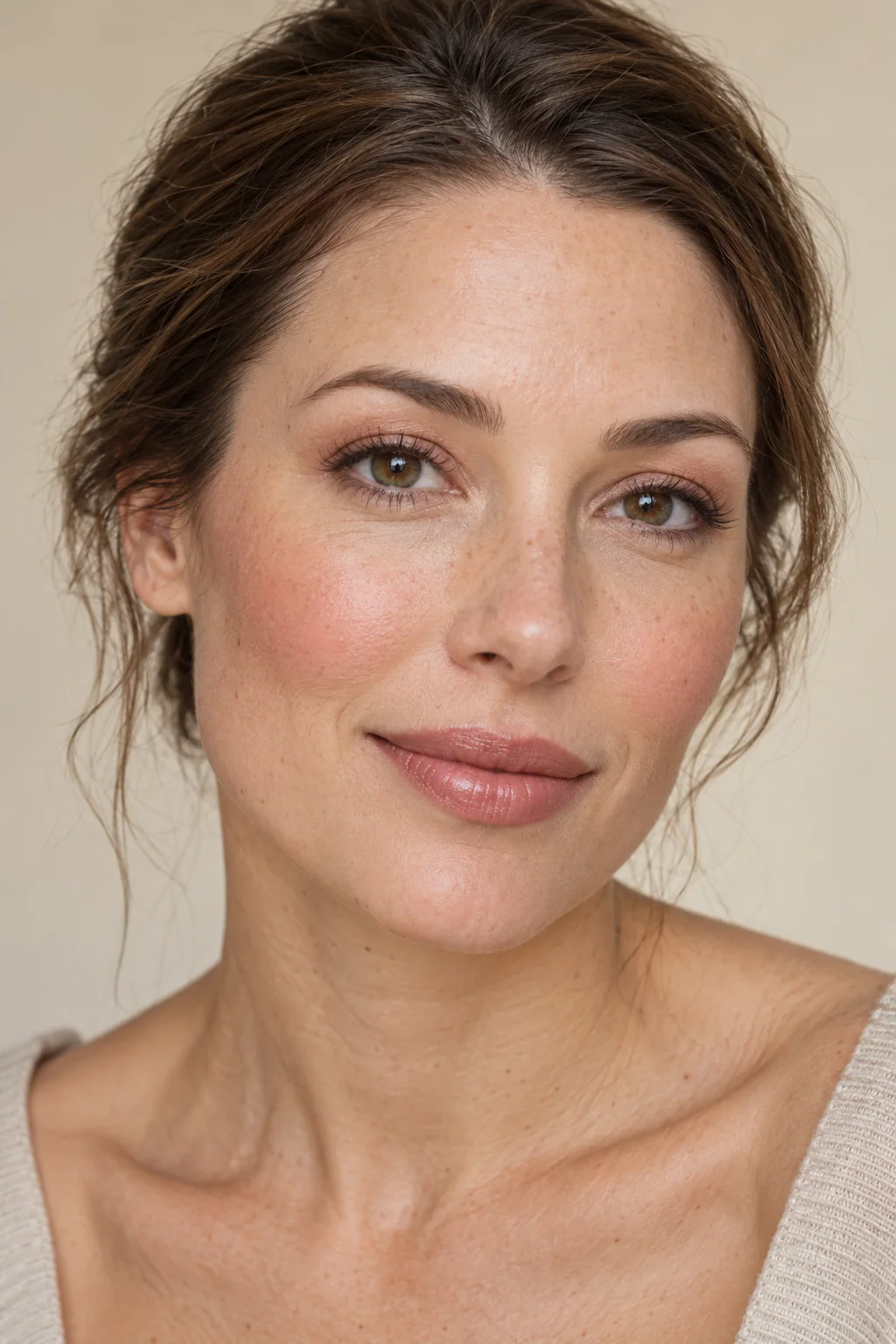
Compare a sheer rose and a muted peach with the same placement and coverage. If one looks heavy, reduce the amount before rejecting its entire color family.
- Muted rose
- Muted peach
Lip contrast
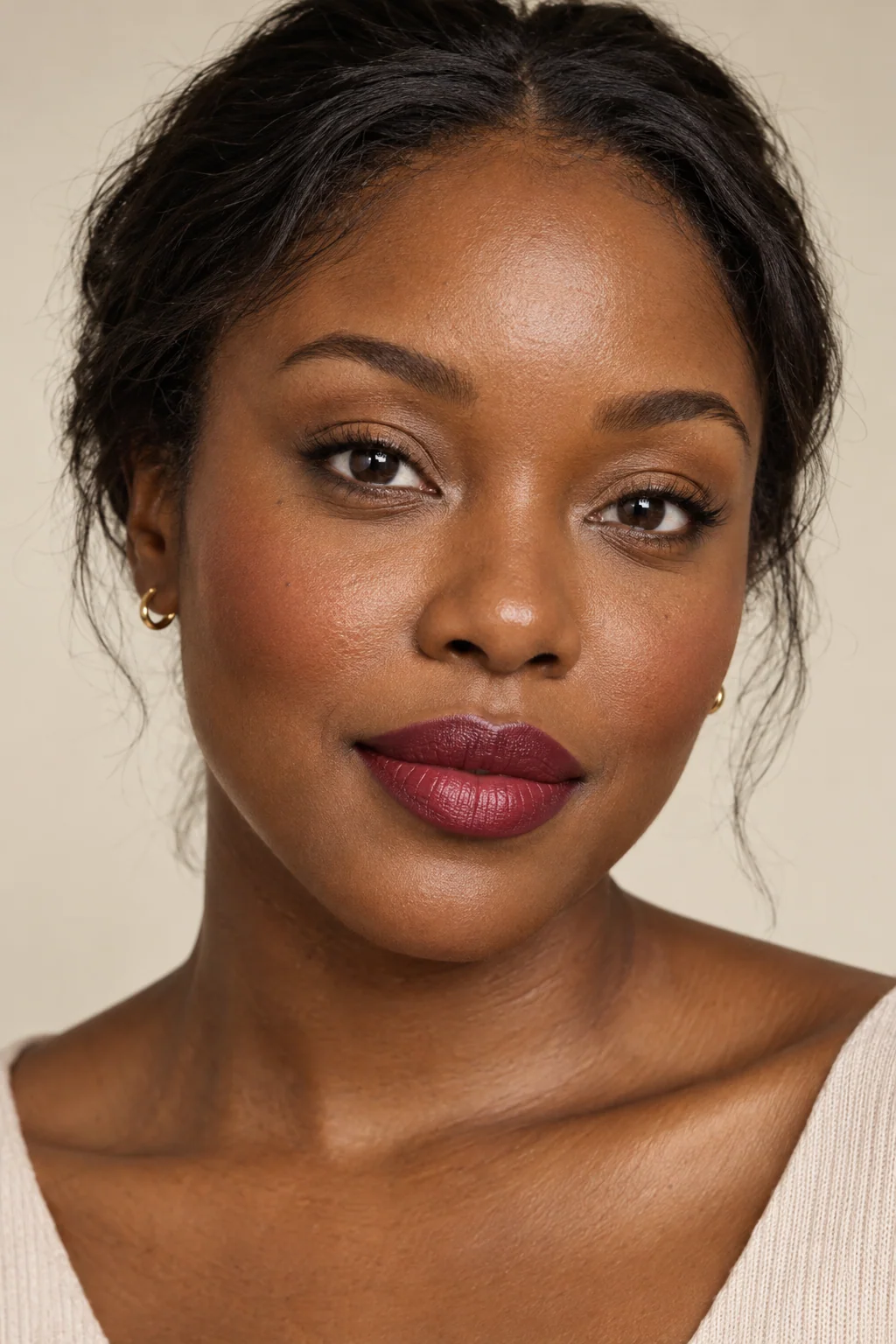
Rosewood and berry create different depth against the same base. Test the real product over your natural lip color; the bullet and a website swatch cannot show that interaction.
- Rosewood
- Berry
Eye intensity
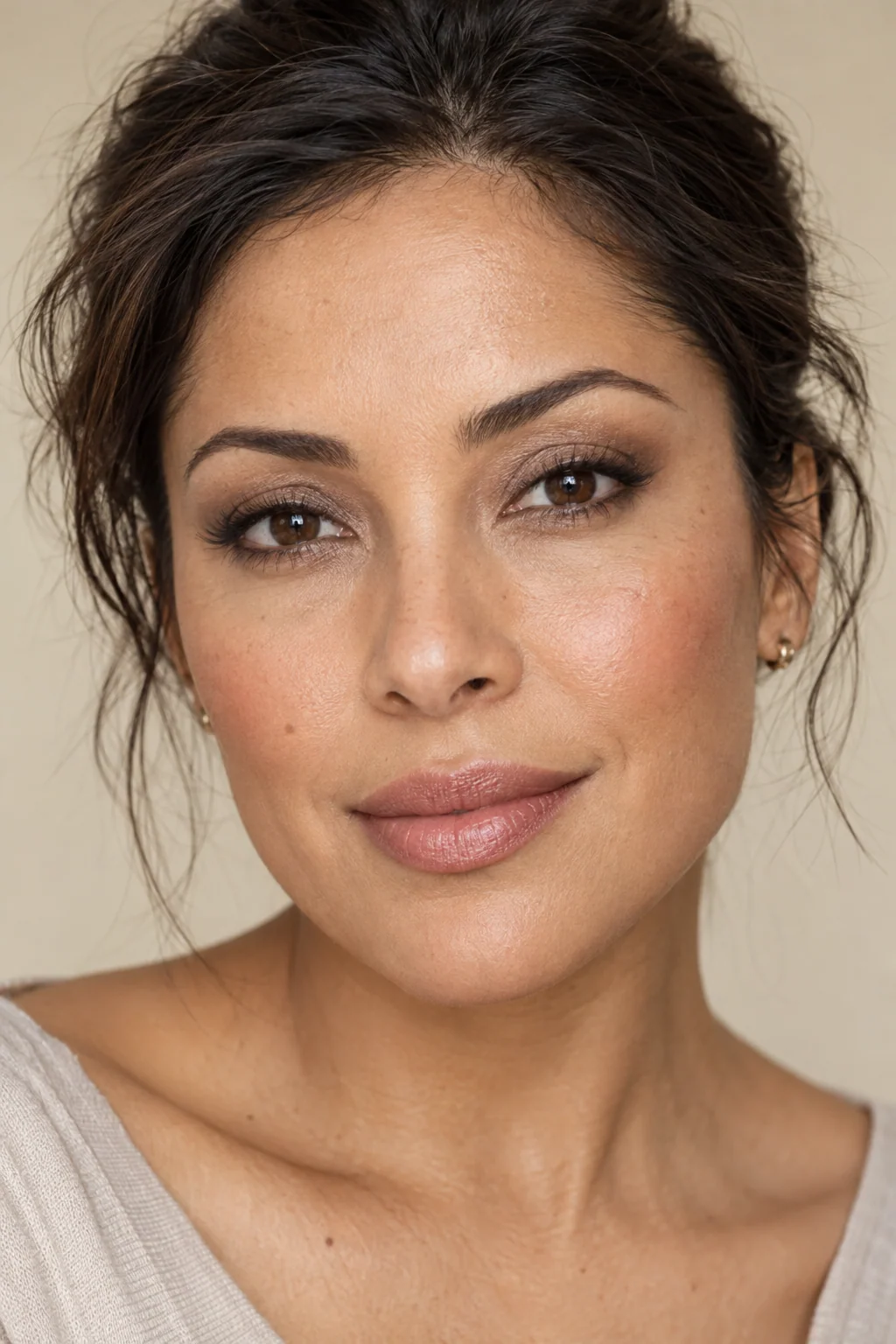
A soft taupe wash and a deeper brown edge create different definitions. Choose the amount of contrast you want around the eyes rather than copying a shade based only on skin depth.
- Taupe
- Deep brown
Illustrative colors, not product shades, personal analysis or guaranteed results.
02 / UNDERSTAND & TRY
Match foundation in separate steps
Use a clean tester and compare a few nearby depths along a small jaw-to-neck area, following product directions and store hygiene rules. Let the product settle as directed, then look in neutral daylight and your usual indoor light. Do not choose from a brightened selfie alone.
First check whether the sample is too light or deep. Then compare whether it reads too pink, yellow, orange or gray beside your skin. A finish that is very shiny or very matte can change how the shade appears, so compare like with like.
03 / UNDERSTAND & TRY
Choose placement and finish with the shade
The same blush can be a small sheer accent or a large saturated field. Change the amount and placement before assuming a skin tone cannot wear the color. For lips, compare a stain, a softly blurred edge and a full opaque finish.
For brows and eyes, start with the depth of your existing contrast and the focus you want. A pale lid shade can be deliberate; it does not have to serve as a default “nude” for everyone. Keep one feature stronger while learning a new palette.
04 / UNDERSTAND & TRY
What a photo color report can help with
A photo can suggest a palette direction; it cannot test a foundation on your skin or identify the exact product to buy. Lighting, white balance, makeup, filters and screen settings affect apparent color. Keep the photo and real-product comparison separate.
If a base looks wrong, revisit depth, hue, coverage and finish before adding correction products. The general color tool can suggest broader color directions; the makeup report discusses how base, eyes, cheeks and lips can work together.
Common questions
Can dark skin have a cool undertone?
Yes. Skin depth and undertone describe different things. Do not assign warmth, a season or a fixed makeup palette from depth alone.
Why does foundation look different indoors?
Lighting and surrounding colors change its appearance, and the product finish may also become more visible. Check in more than one useful lighting condition.
Should my blush and lipstick be identical?
No. Similar color directions can feel cohesive, while a deliberate difference adds contrast. Placement, depth and coverage matter as much as the color name.
Related reading
YOUR NEXT STEP
Start with your own features
Sign in and submit a clear front-facing photo in even light for written makeup suggestions. Review the photo limitations and test placement and colors in person.