HAIR / A PRACTICAL GUIDE
What is the best hair color for me? Start with these comparisons
The useful answer is a shortlist you can discuss with a colorist, not a single shade assigned by skin color. Start with the amount of change you want.
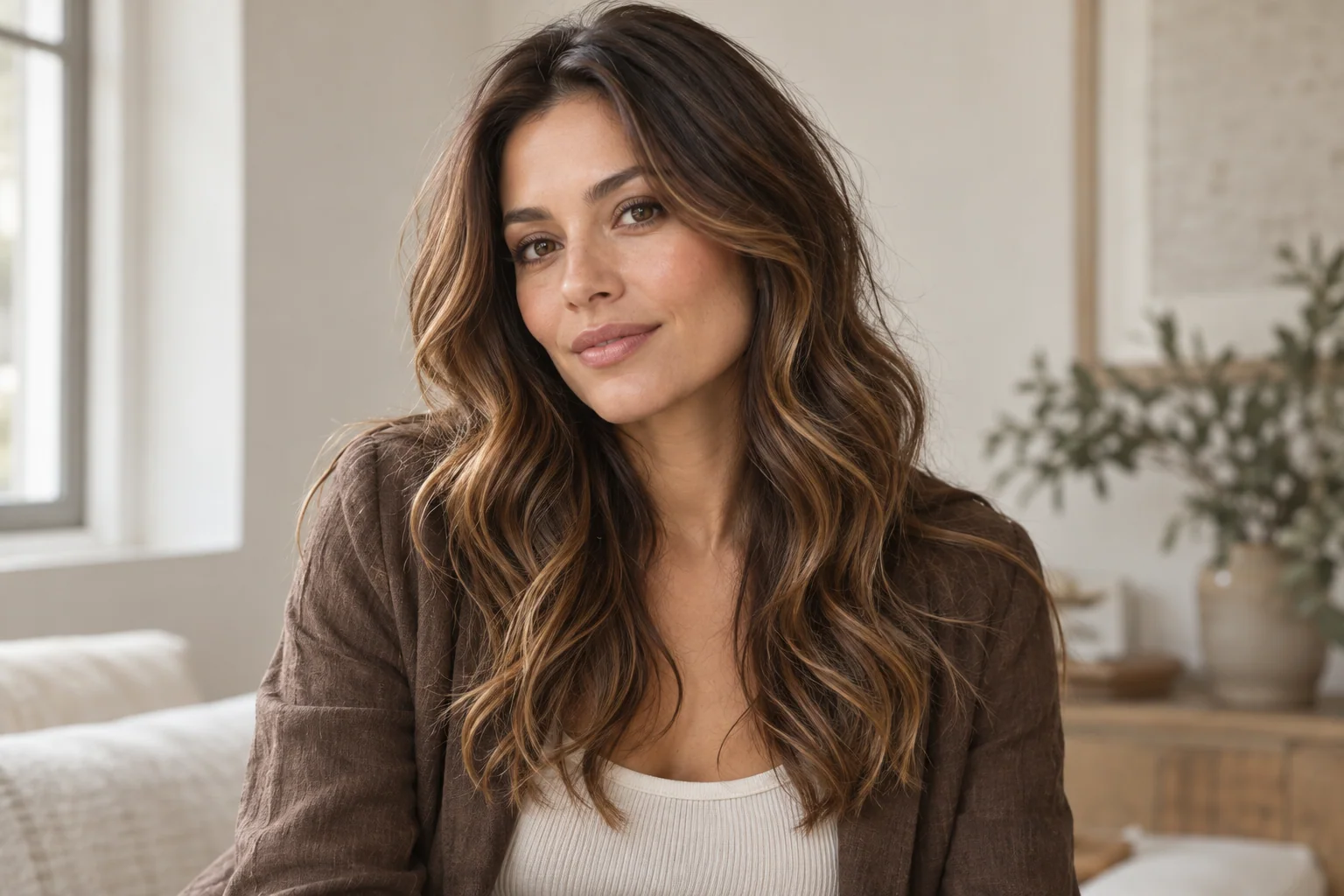
The quick answer
Compare depth first, then warmer and cooler versions at a similar depth. Consider the contrast you want near your face, your starting color and the regrowth you are willing to maintain. Undertone can guide a comparison, but it does not ban any hair color.
01 / UNDERSTAND & TRY
Compare color families, not dye numbers
Use these original swatches to name a direction. A colorist will need your natural base, existing dye and hair condition to discuss an achievable shade. Screen colors are not strand-test results.
Stay deep, change the reflection
Compare neutral espresso, warmer chestnut and a cooler deep brown at close depths. This helps separate a temperature preference from the impact of a large lightness change.
- Espresso
- Chestnut
- Cool brown
Explore a mid-depth shift
Caramel brown, neutral brown and taupe brown offer different directions. Do not assume that a warm skin description requires caramel or that olive coloring requires an ashy result.
- Caramel brown
- Neutral brown
- Taupe brown
Try lighter or more expressive accents
Honey, beige blonde and copper can be compared as face-framing accents before considering a whole-head direction. A small colored area and a full head create different amounts of contrast.
- Honey
- Beige blonde
- Copper
Illustrative hair-color families, not dye formulas or predicted results. Lighting, screens and starting color change the appearance.
02 / UNDERSTAND & TRY
Separate skin depth, undertone and preference
Skin depth is visible lightness; undertone is a warm, cool or mixed color direction used in beauty comparisons. People at any skin depth can prefer warmer or cooler hair. Surface redness, makeup and reflected light are not reliable stand-alone tests.
Hold a neutral and a warmer reference near your face in consistent light. Notice whether you like a subtle blend or a stronger frame. You may deliberately choose contrast even when a softer color seems harmonious; personal style is part of the decision.
03 / UNDERSTAND & TRY
Include the starting color and upkeep
Tell the colorist about previous dye, bleaching and other chemical treatments. The same target shade can require different steps on different starting hair. Ask about root contrast, fading and how the shade will look between appointments.
The AAD notes that lightening can cause damage and recommends following product safety directions, including testing store-bought color as instructed. A flattering color suggestion is not a safety assessment or a bleach formula.
04 / UNDERSTAND & TRY
Use photo advice to build a shortlist
Use a front-facing photo in even neutral light without a color filter. Existing dyed hair can dominate the frame; note that a photo cannot reveal the natural base or treatment history hidden underneath. Camera white balance and screens can shift the apparent hue.
MyStyleType’s color analysis produces a written palette and hair-color directions from visible evidence. It does not choose a salon formula or guarantee the final color. Keep two or three options, then review physical swatches and feasibility with your colorist.
Common questions
What if I have a neutral or olive undertone?
Compare both warmer and cooler options at similar depth. Neutral and olive are descriptive terms, not a single dye recommendation. Note the shades you actually enjoy near your face.
Can AI tell me the exact dye shade to buy?
This tool gives color directions, not a formula based on strand testing or chemical history. Shade numbers vary across brands, and the starting hair affects the result.
Must my hair match my seasonal palette?
No. A seasonal palette is an optional styling reference. A vivid accent, deliberate contrast or a favorite color can be a valid choice even when it falls outside that palette.
Is a photo preview the same as a strand test?
No. A generated or edited image cannot test how your real hair takes color or how a product affects it. Use visual suggestions for discussion, not as evidence of a guaranteed dye outcome.
Related reading
YOUR NEXT STEP
Bring a color direction to your consultation
The photo color report suggests a palette and hair-color directions. Check the lighting limits, then discuss the actual dye process with a colorist.