OUTFIT / PRACTICAL STYLE
How to find my style: build it from clothes you wear
An inspiration folder tells you what you like looking at. Your actual outfits reveal what you like living in. Bring those two sources together before naming a style or buying a new wardrobe.
The quick answer
Choose three often-worn outfits, note what they share, then test one change at a time: silhouette, texture or color. Keep the combinations that fit your days and your comfort. You can use a few style words as a working brief, but you do not need one permanent fashion identity.
01 / UNDERSTAND & TRY
Try three small style experiments
Compare structured, relaxed and expressive combinations in the outfit examples. Repeat a familiar base and change one styling choice to discover which direction feels like you.
Clean and structured
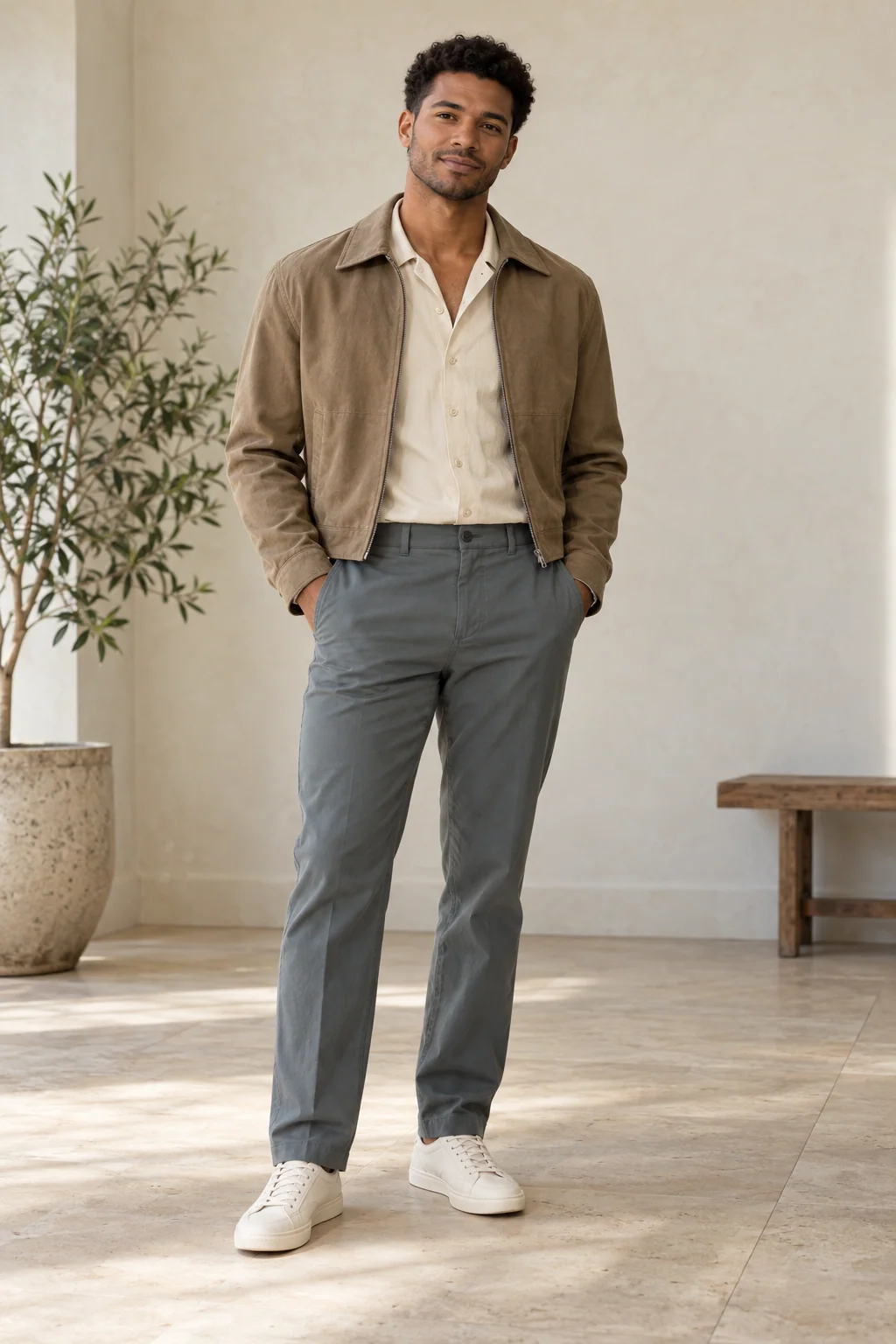
A simple shirt, straight trousers and a short jacket create clear edges. Try this if you enjoy a considered finish; check whether the jacket remains comfortable through a full day of sitting and reaching.
Relaxed and tactile
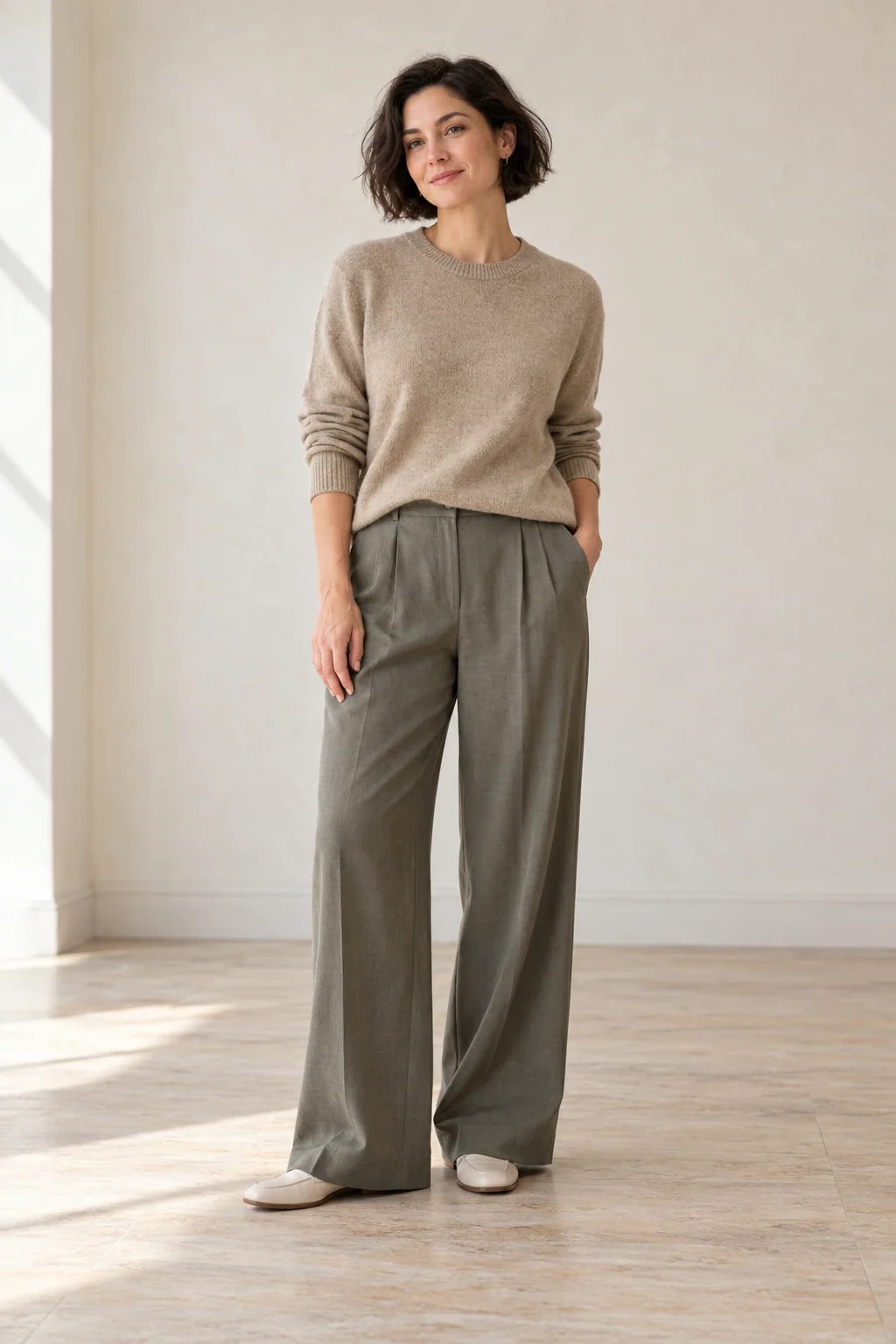
A soft knit and wide trousers make room for texture and movement. Use a similar-depth palette first so you can notice whether you like the silhouette itself, without a strong color contrast changing the decision.
Expressive focal point
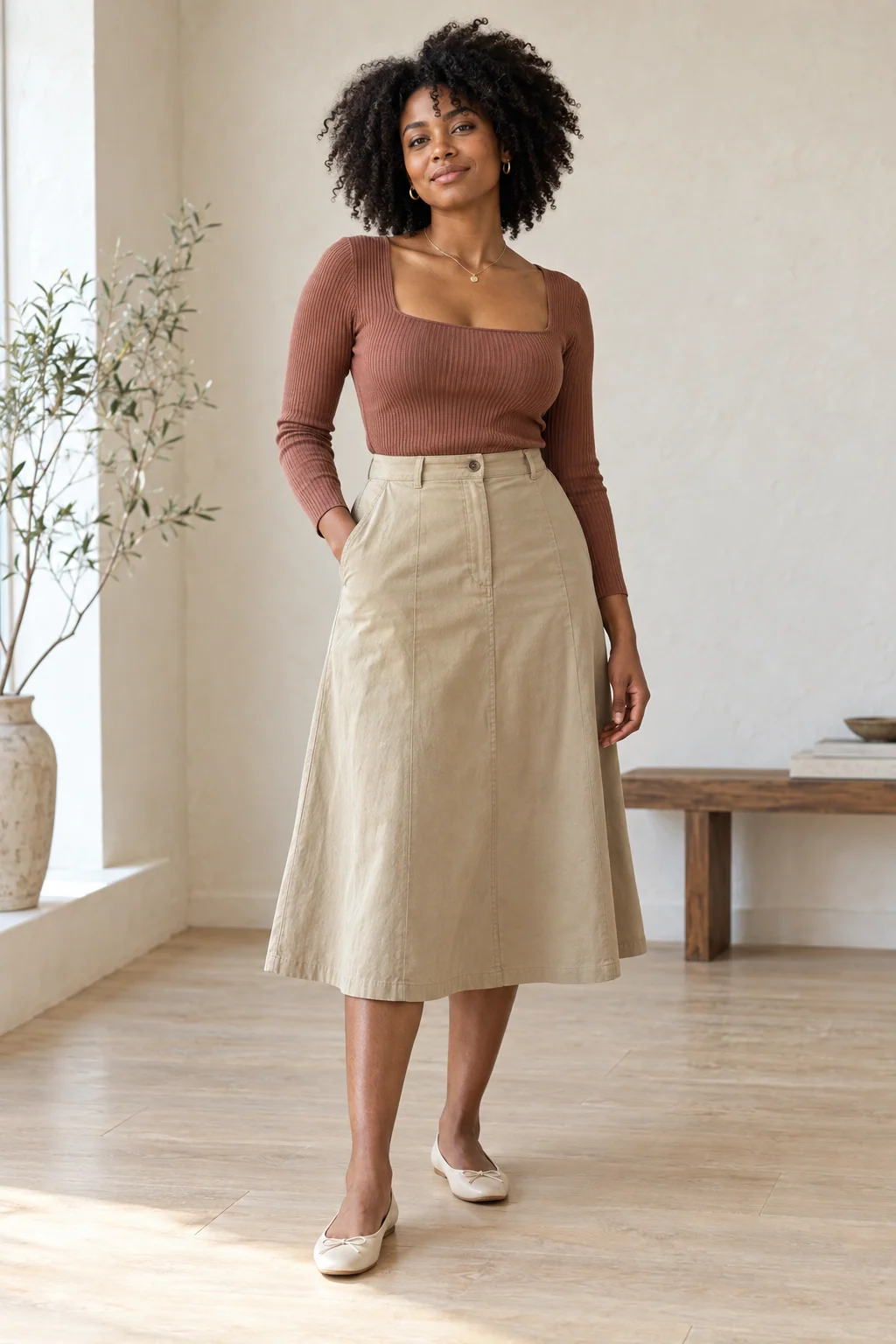
Keep the lower half familiar and use a richer top color or an open square neckline. If the outfit feels too far from you, reduce the accent area rather than abandoning every expressive detail.
02 / UNDERSTAND & TRY
Collect evidence from a normal week
Photograph several outfits at a normal distance and note where you wore them, how they felt after hours of use, and what you adjusted. Separate “I like this picture” from “I would repeat this outfit on a Tuesday.”
Look for concrete repeats: a straight leg, an open neckline, a matte fabric, a quiet palette or one bright accessory. These observations are more useful than deciding that everyone who likes a blazer belongs to the same style category.
- Keep the pieces you reach for, and record why.
- Note a disliked fit separately from a disliked color.
- Compare inspiration with your climate, travel, dress code and laundry routine.
03 / UNDERSTAND & TRY
Write a short style brief
Choose three useful words and define them through clothing. “Relaxed, precise, warm” might mean easy trousers, a neat collar and earthy accents. The words are helpful only when they lead to choices you can repeat.
Build an outfit formula such as “open shirt + tank + straight trousers + flat shoes.” Vary one piece while keeping the rest. If the formula stops working, revise it; your preferences can change with your life and the season.
04 / UNDERSTAND & TRY
Use advice for a specific decision
Ask a focused question before shopping: Do I need a layer that closes? A trouser I can cycle in? A dress that works with my usual shoes? Try what you own first, and buy only when you can name the gap.
The existing outfit analysis can suggest silhouettes, necklines, materials and colors from visible photo evidence. It is not a fashion-personality quiz and cannot inspect an unseen wardrobe or know your schedule. Use the report alongside your own routine notes.
Common questions
Do I need a fashion style quiz?
No. A quiz may supply vocabulary, but repeating and adjusting real outfits gives direct evidence about your preferences. This page provides a guide, not a scored quiz.
Can I have more than one style?
Yes. A working outfit and a weekend outfit may need different shapes and materials. Keep a few useful formulas rather than forcing them into one label.
Should I replace clothes that do not fit my new label?
No. Test whether they still work for your needs and combine with favorites. A label is a description, not a reason to discard useful clothing.
Related reading
YOUR NEXT STEP
Bring the ideas back to your wardrobe
Sign in for a written outfit report from a clear front-facing photo. A full-body photo is recommended; proportions outside the photo remain uncertain.